

Search
Close this search box.

Chiang Mai City Guide

Perhaps the best-known city in Thailand outside Bangkok, Chiang Mai is a must-visit.

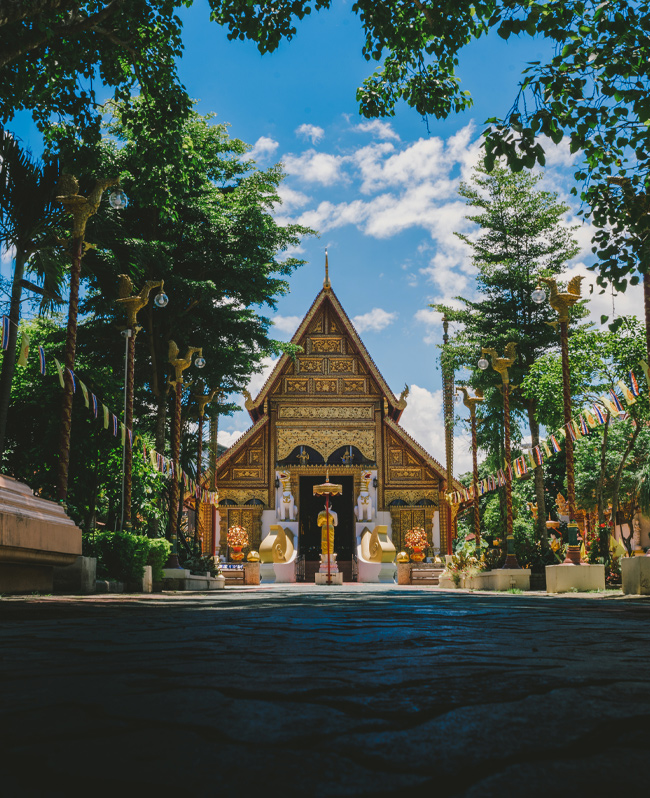
Every other street seems to have a temple that is more unfeasibly beautiful than the last. Every historical backstreet resonates with the same engaging spirituality of Thailand’s most ancient pagodas.

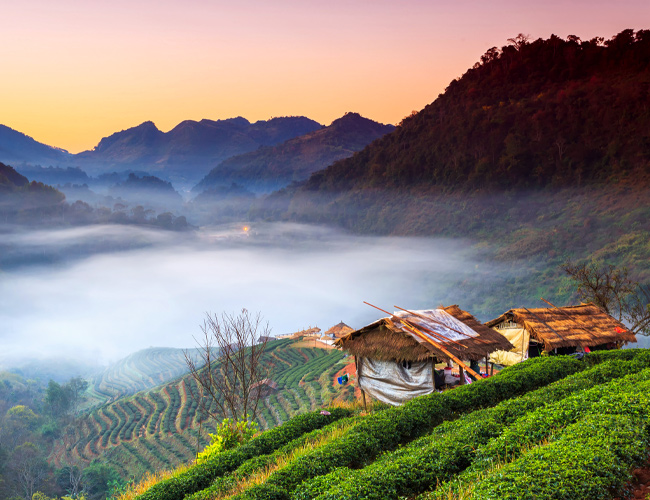
Much of Chiang Mai’s beauty lies in its surroundings. Rolling hills of verdant green and delicately meandering rivers paint the landscape as far as the eye can see. Discover remote religious sites with an ethereal tranquillity on their emerald slopes.

Chiang Mai is also the best place to sample Northern Thailand’s greatest delicacies. The air of the old city’s bustling streets is swimming with the tantalising flavours of richly spiced dishes that are sure to tempt the taste buds of anyone who crosses their path.

Chiang Mai is a true treat for the senses.

Glorious temples

The majority of any traveller’s time in the city of Chiang Mai will likely be spent within the walls of the old city. Exploring the network of streets that wind through the area will introduce travellers to the ever-impressive Buddhist structures that act as the cultural foundation of the city.


Amongst the most impressive is Wat Phra Singh, or Gold Temple, which is home to a number of structures that possess a quintessentially Thai intricacy in their designs. The complex also accommodates 700 monks who are typically more than happy to chat with interested travellers.


Right at the centre of the old city are the charismatic ruins of Wat Chedi Luang, whose ancient stone walls were once home to Thailand’s holiest relic, the Emerald Buddha, before the temple was toppled by an earthquake in 1545. The ruins are still used by local monks to this day, offering a chance to witness a poetic blend of bygone and contemporary Buddhist traditions.

Something for everyone

As well as being home to most of the cityl’s greatest temples, Chiang Mai’s old city is known for its excellent food scene and energetic nightlife. Tempting smells fill the air from lunchtime onwards and once the sun sets, the city shifts in character from spiritual haven to lively social hub. The eastern end of the old city in particular is home to a number of popular drinking spots, from glitzy cocktail bars to ramshackle vendors with more of a local charm. Ratchadamnoen Road becomes a hub of activity on Sunday evenings with the opening of the Weekend Market, which sees revellers fill the streets in search of handmade goods and delectable bites to eat.

Outside the old city there are markets aplenty. To the east is the Night Bazaar, a collection of indoor stalls that attracts both locals and travellers to its bustling avenues every evening. North of the Night Bazaar is Warorot Market, the oldest market in the city, famous for its stalls specialising in fresh food and filling street eats. Those in search of a shopping experience of more modern and epic proportions should seek out the boutique streets surrounding Nimman Road to the west of the old city. The area has gained a reputation as the place to find Chiang Mai’s most fashionably high end establishments, from restaurants to shops to hotels.

fabulous food

Chiang Mai is a veritable hub of delicious eateries that rival the succulent flavours of anything that is served on the streets of Bangkok. Whether is be amongst the hustle and bustle of a vibrant night market or sat on a roadside plastic stool outside a friendly local cafe, the quality of food that is conjured up by the local masters of flavour almost justify a trip to Chiang Mai by themselves. 

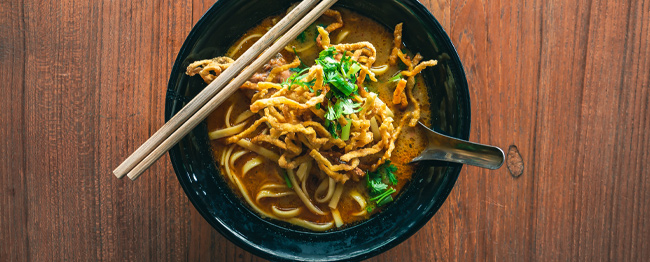
One dish that is sold by most food vendors in the city is the northern speciality khao soi. Delicate egg noodles sit in a lightly spiced aromatic coconut broth alongside succulent meat before being topped with a mix of fragrant herbs and a sprinkle of noodles that have been lightly fried until crispy and golden.

Street stalls can also often be seen selling khao kha moo, which roughly translates as ‘stewed pork leg with rice’ – a very succinct summary of the meal’s main components. The expertly braised leg of pork falls apart when touched, such is its tenderness. Combine this with fluffy rice and a marinade of typically thai flavouring and you have one of the greatest dishes that can be found in the country’s northern regions. Those with a higher spice tolerance may also opt for a portion of laab, which consists of minced meat or mushrooms simmered with coriander, mint, lime juice and lashings of chilli.

Delicate flavours

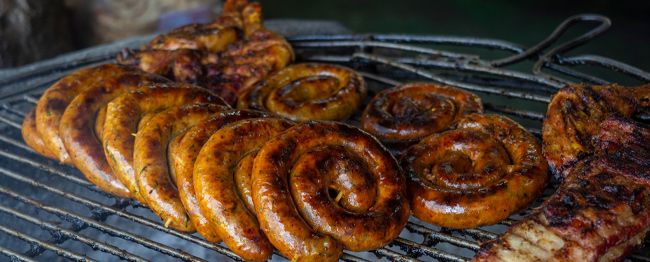
One of Northern Thailand’s greatest delicacies is also one of its less conventional. Sai ua is a Thai style sausage that travellers are sure to encounter in the food stalls of Chiang Mai’s markets. Sai ua is spiced with coriander, lime, lemongrass, ginger and chilli, providing a delightfully delicious Thai twist on a western staple.


Sweet options


Those with a sweeter tooth may opt for the enticingly sweet flavours of mango sticky rice, a dish of sliced mango served on top of classic Thai sticky rice and coated in a drizzle of sweet coconut sauce. The dish manages to morph what is typically a savoury side into the perfect dessert accompaniment.

Getting around Chiang Mai

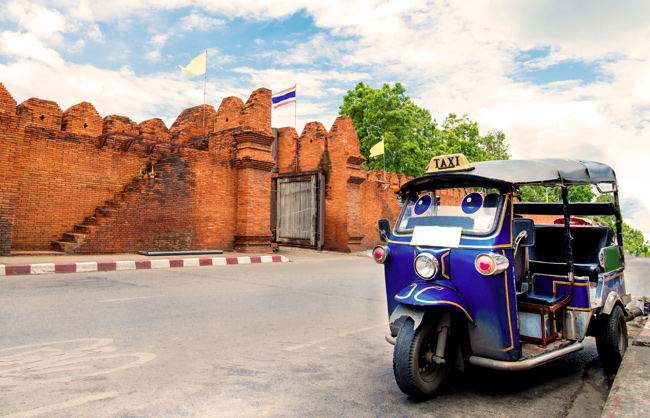
The old city is roughly 1.5km squared, making any trip within its walls very much walkable. Those wishing to travel further afield can opt to travel by either tuk-tuk or  in one of Chiang Mai’s iconic songthaews, or ‘red trucks’. These rickety, charismatic trucks are equipped with two opposing rows of seats and don’t stop anywhere in particular; instead, they travel in a general direction, picking up passengers en route. Simply confirm that the truck is going near your destination, hop on and chat to your fellow passengers as you trundle through the city’s streets.


Another popular form of travel among tourists visiting Chiang Mai is motorbikes. Because motorbike rentals are popular, they are easy to find, but we strongly advise against using them for anyone without prior experience.

If you choose to rent a motorbike, we strongly recommend wearing a helmet at all times.

Alternative things to do in and around Chiang Mai

Given its historical significance, mountainous surroundings and popularity amongst tourists, the activities available in the Chiang Mai area are as varied as they are entertaining. Whether you want to be absorbed into the electric atmosphere of a raucous gathering of locals, sample a cultural experience that can be deemed truly unique or escape from the urban chaos in search of a peaceful highland oasis, Chiang Mai is sure to satisfy all such desires. Adrenaline junkies and culture vultures alike are sure to find what their heart desires.

One of the most popular things to do in Chiang Mai is to in fact leave the city to explore the vast expanse of emerald hills that surround its limits. Whether you are seeking one-day treks to Buddhist sites, or overnight adventures, or even longer quests to suit your adventurous spirit. The terrain surrounding Chiang Mai covers it all.

Hiking in the mountainous surroundings


Amongst the most popular destinations on these hikes are the temples of Doi Suthep and Wat Pha Lat. Both located within 15km of the city’s western border, there is a magical sense of wonder as you pass through the incessant shrubs and low-hanging vines of a dense jungle thicket to have an entire temple complex revealed in front of you. The former’s pristine golden pagoda and spectacularly detailed temples are a must-see experience for anyone who visits Chiang Mai. A particularly magnificent experience for travellers who approach by hiking the Monk’s Trail. 

Watching a brutal bout of Muay Thai

A national sport steeped in tradition, Muay Thai is said to have originated as a form of combat taught to soldiers in the Middle Ages when Thailand was known as Siam. A form of fighting that uses fists, elbows, and knees, it is very popular in Thailand. 

Not only is it an adrenaline-pumping spectator sport, but also a deeply traditional martial art. Fights start with a ritualistic dance, and Thai music plays throughout, keeping tempo with the fighters as they seek to outwit and outmuscle their opponent. 

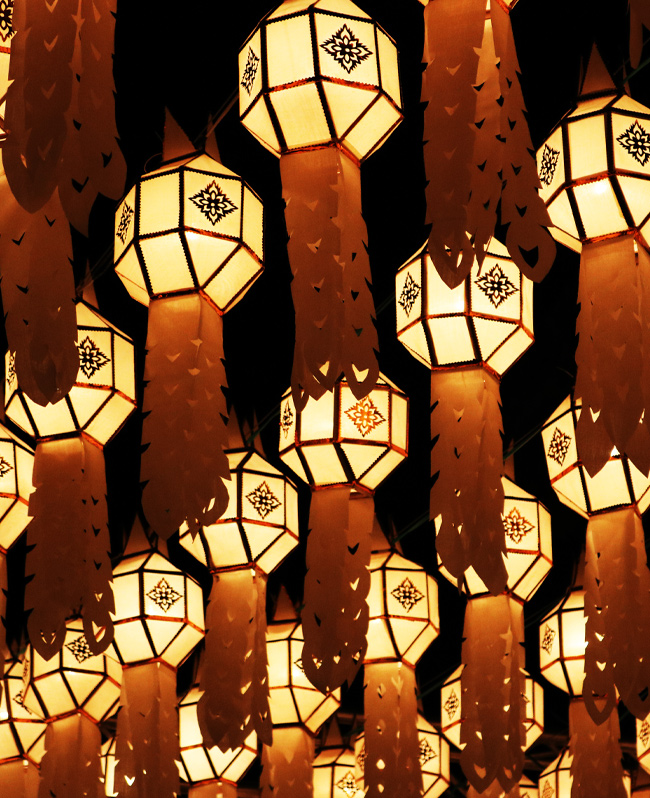
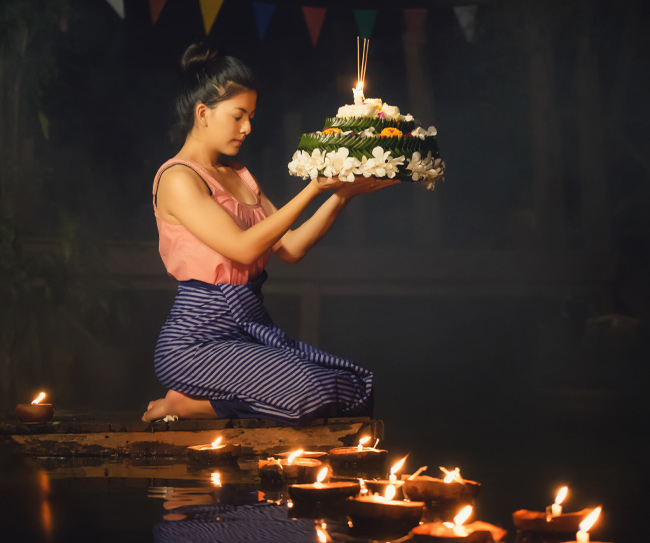
The lantern festival of Loi Krathong takes place on the evening of the full moon in the 12th month of the traditional lunar calendar (November) . In a symbolic gesture of respect for local spirits, locals release candles into rivers and into the sky, dotting the city’s skyline and waterways with pockets of warm, resplendent light that inspire calm and happiness in all who witness it.

Participating in one of Chiang Mai’s famous festivals

Thailand is a country steeped in spiritual traditions, often marked by festivals.

Amongst the most popular festivals in Thailand, Songkran, is a celebration of the Thai New Year in accordance with the solar calendar. Between April 13th and 15th, people take to the streets to celebrate with a water fight. Chiang Mai’s old city becomes an aquatic battleground, with locals and tourists using water guns, buckets, and hoses to soak anyone who crosses their path.


Tour Radar offer a wide range of small-group tours to Thailand, including those to Chiang Mai. Adventure for 4 to 18 days, starting at £300 pp. 

Note: In keeping with our commitment to Responsible Travel, we do not recommend tours that include access to elephants. 

Learning some of Thailand’s greatest recipes in a cooking class

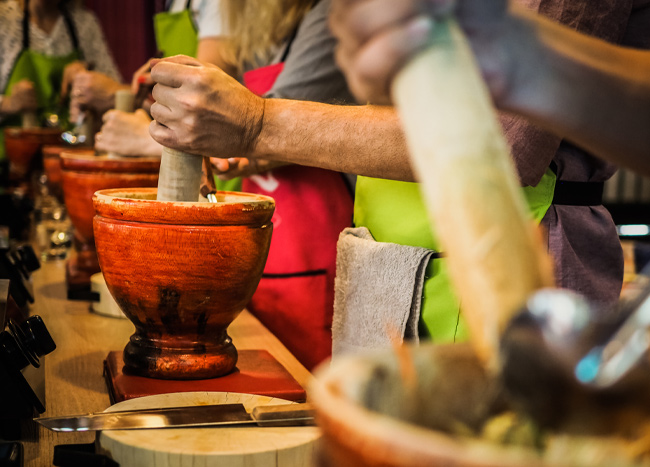
In a nation that is known for its delicious culinary scene, learning to capture even a snippet of what makes the food so delicious is an opportunity that is too good to pass up. The cooking classes available in Chiang Mai are typically very hands-on experiences, where attendees are led through local markets to gather the freshest ingredients before choosing the dishes that they wish to learn.

We love this half-day cooking class that includes a tour of the Smile organic farm.  Great value for money at around 900 THB (approx. £ 20- £ 23). The operators also offer pickup from your hotel/location. Check on the link for availability.  

Normarily group sizes are small, meaning budding chefs receive a more personal experience from their teachers, picking up tips that will take your Thai green curry to the next level. Cooking classes are also a brilliant way to meet like minded travellers and have fun whilst you learn skills that are a brilliant alternative souvenir to take home with you.

Chiang Mai, Thailand, Asia

Visiting the heights of Doi Inthanon National Park

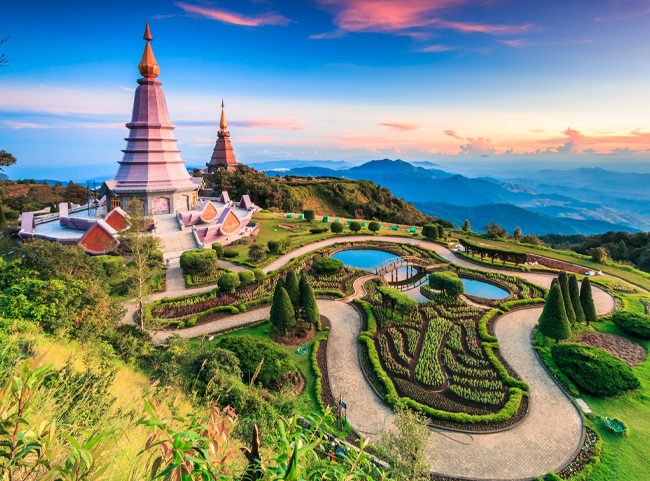
The country’s highest peak and arguably the area of greatest natural beauty near Chiang Mai’s historic streets, Doi Inthanon rises to 2565m above sea level, earning it the nickname ‘The Roof of Thailand’. The 1000 sq kilometre National Park that surrounds the granite mountain is lush with thick, green jungle that often proves impenetrable. Hidden under the dense blanket of wilderness, visitors can find waterfalls, hiking trails and some of Asia’s most colourful wild inhabitants.